What Happens at a Domestic Violence Protective Order Hearing in North Carolina
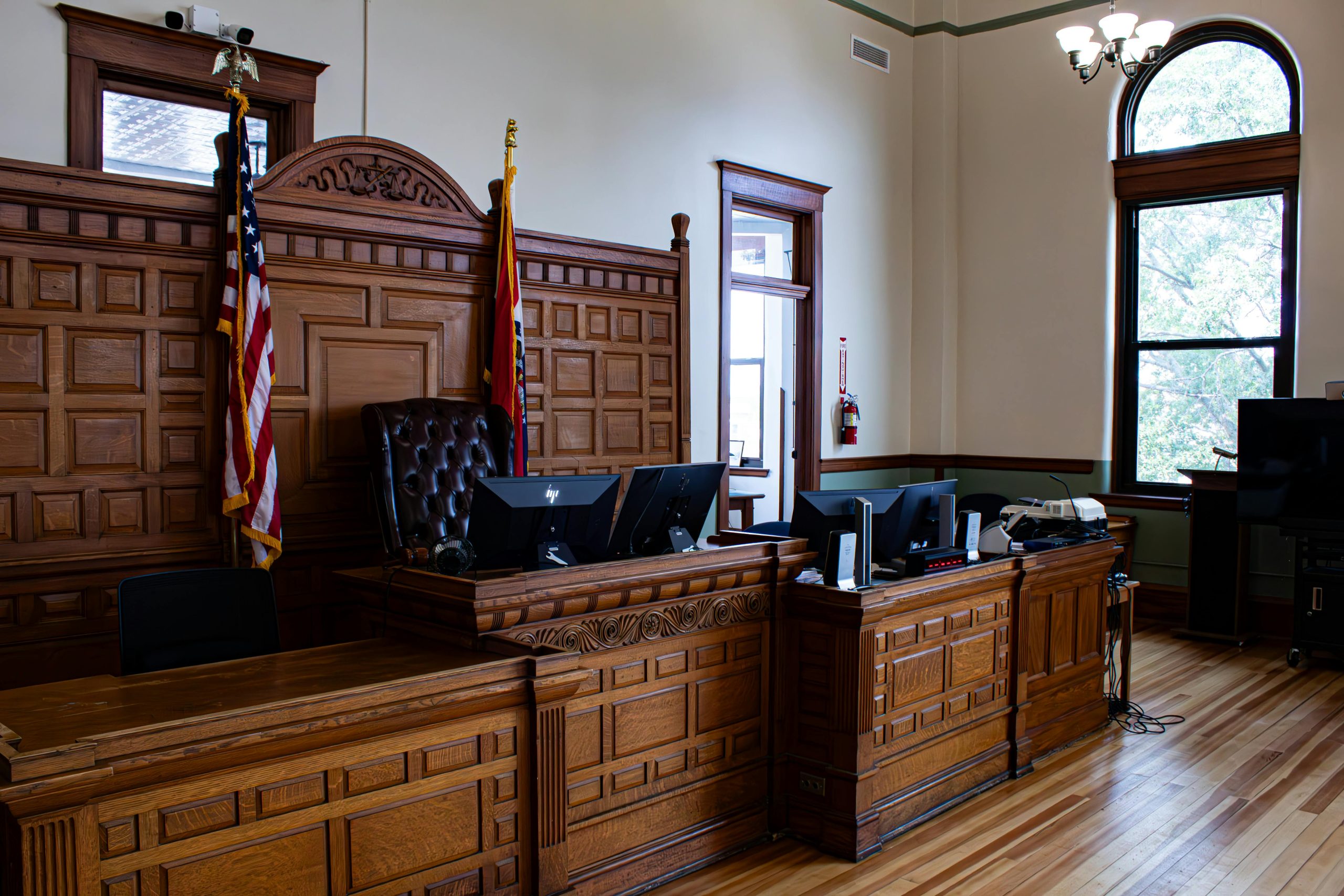
Going through a domestic violence situation is an incredibly stressful and emotionally draining experience. The legal process can feel overwhelming when you’re already dealing with trauma and uncertainty. We know that getting more information on the process can help provide some sense of control during this challenging time.
Understanding this process is especially important because most temporary protective orders are entered quickly without the other person being able to present their side, making knowing of what to expect at your full hearing essential to being prepared for Court. These full hearings are typically held within ten (10) days from when the Court grants the temporary protective order.
We’ll start with some general background.
What is a Domestic Violence Protective Order?
Domestic Violence Protective Orders, which are sometimes referred to as DVPOs, protective orders, civil restraining orders, or 50Bs, are orders from the Court when two people who have a qualifying relationship – think family members, household members, or romantic partners – to stay away from one another if there has been an act of domestic violence under the Chapter 50B of our North Carolina General Statutes.
What is the first step in a DVPO in NC?
The first phase of getting a Domestic Violence Protective Order is called the “ex parte” phase. Ex parte is Latin and roughly means “without the other party.” For a guide on initiating a Domestic Violence Protective Order, view this article.
Once the person seeking protection has filed a lawsuit (called a Complaint) asking for the Court’s help, the ex parte phase begins. Typically, a Judge or magistrate will speak to the seeking party the same day the Complaint is filed or the first court day after the Complaint is filed. You should work with your attorney, advocate, or court staff to know when you are expected to be in Court.
The Judge will read the Complaint and speak to the requester if the Court wants or needs more information. The alleged aggressor is usually not present. If the Judge believes that there is an immediate need for intervention, an ex parte Order will be issued. Ex parte Orders are temporary DVPOs that typically stay in place for around ten days. Next, the aggressor will be served, and a date for the return hearing will be set. If the Court decides they need more evidence or they want to hear from the other side before determining what to do, the Court will set the matter for “hearing only” and no ex parte Order will be issued. In this situation, the Judge will set the case for a hearing (usually within 10 days), and the Complaint and Notice of Hearing will be served on the Defendant.
What happens at the return hearing for a DVPO in North Carolina?
You will be given a date and time to appear for a return hearing. This is the hearing where both parties get to share their side of the story. Many people choose to hire an attorney to help them navigate this process, as it can be difficult to present your side and know the nuances of how a trial works without knowing and understanding the Court’s rules, such as rules of procedure and evidence. Sometimes people wish to have an attorney with them to help negotiate a resolution with the Defendant, and sometimes people simply feel more comfortable having an attorney with them, particularly if the Defendant has one.
Step 1: Arrive to the Courthouse ON TIME
On the day of the hearing, you need to arrive at the Courthouse promptly. We recommend planning to arrive at the parking lot at least 30 minutes prior to your hearing time, as parking and security lines may take longer than you expect. Not appearing can have serious consequences—including possibly having your request for help being dismissed, meaning you either must file a new lawsuit or decide not to file again.
In some counties, Plaintiffs and Defendants are asked to sit in separate rooms while they wait to be heard. Follow any signs available, any directions received by court staff, and ask questions when you arrive if you have any doubts about where you are supposed to be. NEVER sit beside or immediately in front of or the Defendant. If you move and they follow you to a new seat, inform the Deputy in the Courtroom. If you need an escort, let someone know.
Step 2: Calendar Call
Most court days start with calling the calendar. This typically looks like a Judge or a member of the court staff reading off a list of cases, seeing who is present, seeing who has counsel, and seeing who needs a continuance—either by request of the Plaintiff or Defendant or because the Complaint wasn’t yet served on the Defendant. This is not your chance to argue the case, but rather your chance to let the Judge know you are present and if you have an attorney so that the Court knows to hold your case until your attorney arrives. (Yes, sometimes attorneys must be in multiple Courtrooms at the same time, but that’s not possible, so the Court will allow your attorney to be in another Courtroom and not proceed without them.) After the Court makes it through the entire calendar, the Court will let you know if, and when, your case will be heard that day.
Step 3: Your DVPO Case is Heard
If you are being heard, the Judge will ask the Plaintiff, Defendant, and counsel, if any, to come to the tables in front of them. The person seeking protection (the Plaintiff) usually gets to go first. The Plaintiff will have the opportunity to give testimony, call relevant witnesses (including the Defendant), and present evidence. The alleged aggressor (the Defendant) will have a chance to cross-examine any witnesses, make appropriate objections, give testimony, call their own witnesses, and present evidence. The Defendant may also make a motion to have your lawsuit dismissed, and the Court can dismiss your case if you have not proven that you are entitled to an order of protection.
These technical aspects are one of the reasons many people choose to hire an attorney for the return hearing. All people representing themselves in Court are expected to follow all the rules of the proceedings and the rules of evidence. It’s unfortunate sometimes, but the outcome of your case can come down to knowing how to present information to the Judge in a valid and effective manner within the rules.
Step 4: Decision
After listening to both sides’ presentations, the Court then decides if you, the Plaintiff, have proven that you should receive a Domestic Violence Protective Order. Typically, those Orders are in place for one year unless they are properly renewed. The protections under a DVPO vary based on what the Judge determines is appropriate to curtail any future acts of domestic violence (and by the protections provided for in Chapter 50B). For instance, some people are allowed phone and text contact so long as the topics are limited, such as child-related issues or who is paying a certain bill, and other people are completely prohibited from making direct or indirect contact.
What can a Triangle Smart Divorce DVPO attorney do for you?
Navigating the DVPO process can be overwhelming, especially when you’re already dealing with the psychological strain of domestic violence. At Triangle Smart Divorce, we understand that this is more than just a legal proceeding—it’s your physical safety and mental health at stake. Our attorneys are experienced in handling these sensitive matters with both legal precision and compassion.
Don’t face this challenging time alone. Contact Triangle Smart Divorce today to schedule a confidential consultation with an attorney who can guide you through the process, protect your interests, and help you secure the safety and peace of mind you deserve.
