What to Do If You Are Served with a 50B (Domestic Violence Protective Order) in North Carolina
By: Rebekah Lester
Being served with a Domestic Violence Protective Order — commonly called a 50B or a restraining order in North Carolina — is jarring. One minute you are living your life, and the next you are being handed paperwork that may remove you from your home, restrict contact with your children, and set a court date within days.
Take a breath. A 50B is serious. But it is also a process. And how you handle the first few days after service matters more than most people realize.
We want to walk you through what is actually happening and what you should do next.
How Can I Be Served with a DVPO If I Was Not in Court to Defend Myself?
This surprises almost everyone.
A Domestic Violence Protective Order has two phases. The first phase is called the ex parte phase. “Ex parte” simply means the judge hears from one side only (the plaintiff) without you (the defendant) present.
At that initial hearing, the judge is being asked whether immediate protection is necessary. Think of it as a temporary measure, a bandage until a full hearing can occur. Judges are understandably cautious in these situations and often err on the side of entering temporary protections.
That does not mean the judge has decided the full case. It means the Court is maintaining separation until both sides can be heard.
You will have a chance to defend yourself at what is called the return hearing. But until then, the ex parte order is enforceable.
What Should I Do First After Getting Served with a 50B?
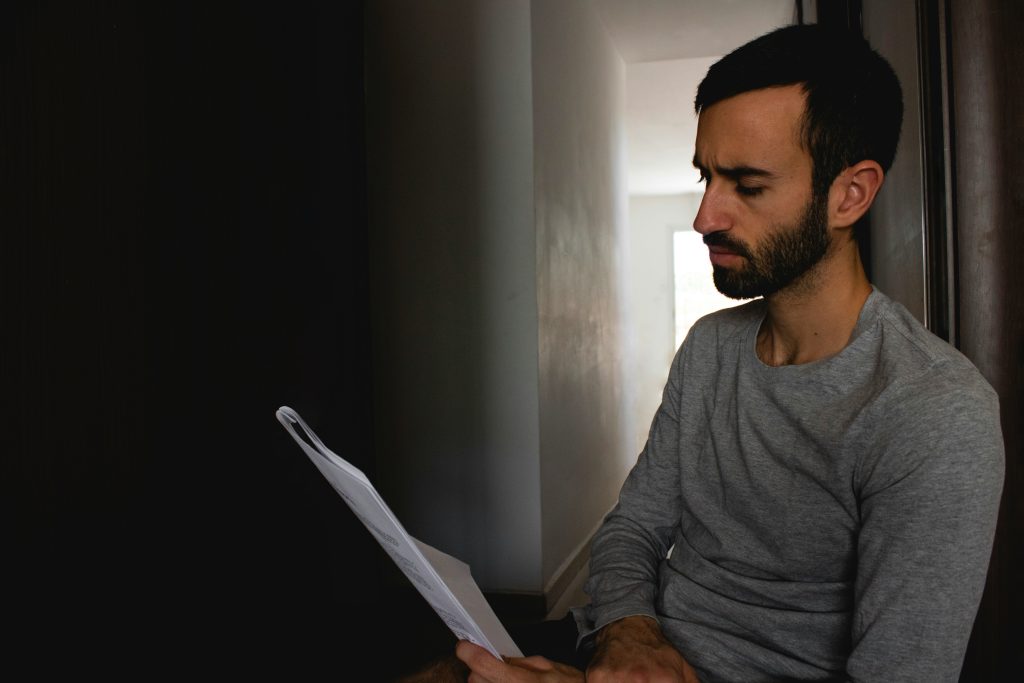
First, read every page carefully.
The Order will spell out exactly what you can and cannot do. Do not assume. Do not interpret loosely. Follow the restrictions precisely. A violation of a 50B, even the temporary ex parte order, is a criminal offense in North Carolina.
Second, note your court date immediately.
Most return hearings are scheduled within ten days of service. That is not much time. Arrange to be there. Take time off work. Secure childcare. Do not miss it. If you fail to appear, a judge can enter a full DVPO in your absence.
Third, contact an attorney.
We have written separately about why defending a 50B without counsel is risky. This is not a setting where improvising is wise. The hearing may move quickly, but the consequences can last a year or longer.
Fourth, make housing arrangements if necessary.
Many ex parte orders grant exclusive possession of the home to the plaintiff. If you are restricted from returning, comply immediately and calmly. When deciding where to stay, think practically. You may have multiple court dates over the coming weeks.
Fifth, gather essentials if you were not able to do so before leaving.
Many ex parte orders include a provision — often labeled as “Box 6” — allowing you to coordinate with law enforcement to retrieve basic necessities. This is not a time to argue or divide property. Focus on medication, identification, important documents, work materials, toiletries, and clothing. And yes, be sure to get appropriate attire for court.
What Happens If I Contact the Plaintiff After Being Served with a Domestic Violence Protection Order?
Do not!
However tempting it may be to “clear things up,” coordinate logistics, or try to resolve the situation privately, you must resist the urge. If the Order prohibits contact, that includes text messages, calls, emails, social media messages, or indirect communication through friends and family.
Asking someone else, besides your lawyer, to reach out on your behalf can also violate the Order, as it can be considered indirect contact
Violations can lead to arrest and criminal charges. They will also be used against you at the return hearing. Judges take compliance seriously. The fastest way to damage your credibility is to ignore the very Order you are asking the Court to dissolve.
This is not the time for emotional decisions.
What Is the Return Hearing for a 50B or Restraining Order?
The return hearing is your opportunity to be heard.
Up until this point, the judge has likely only heard from the plaintiff during the ex parte phase. The return hearing is where both sides appear in court and present their version of events. This is not an informal conversation. It is a formal court proceeding.
At the hearing, each party has the opportunity to present testimony and evidence. You may testify. You may call witnesses. You may introduce exhibits such as text messages, emails, photographs, or other documentation. You may also cross-examine the plaintiff.
The judge will evaluate credibility, weigh the evidence, and decide whether the legal standard for entering a full Domestic Violence Protective Order has been met. If the judge enters a full 50B, it is typically effective for one year.
It is important to understand that even though this is “family court,” the rules still apply. The rules of civil procedure and the rules of evidence govern what can and cannot be considered. Documents are not automatically admitted just because you brought them. Testimony must follow courtroom structure. Objections can be raised. If you choose to represent yourself, the Court will still expect you to follow those rules.
We have seen defendants assume that because they are telling the truth, the process will take care of itself. The reality is that how evidence is presented often matters just as much as what that evidence says.
If you have related criminal charges, you should speak with your criminal defense attorney before deciding whether to testify at the return hearing. What you say under oath in a 50B proceeding can have implications beyond family court.
Finally, understand that a full DVPO can be renewed. The standards for renewal are not especially difficult to meet. What may feel like a temporary situation can extend further if not addressed carefully the first time.
This hearing is not a technicality. It is your opportunity to address the allegations directly and provide input into the decision of whether a year-long protective order is entered against you.
What Are Common Mistakes Defendants Make Before Their 50B Hearing?
Over the years, we have seen the same mistakes repeated again and again. Most of them are preventable. Unfortunately, they often make defending a 50B much harder than it needs to be.
Here are the most common errors:
1. Not Fully Reading and Understanding the Order
Many defendants skim the paperwork or assume they understand it. A 50B is not something to skim. Read every page carefully. If you are unsure whether something is allowed, err on the side of caution. Misinterpreting the Order can lead to violations, and violations are criminal offenses.
2. Violating the Order, Even “Just a Little”
Sending one text message. Driving by the house. Asking a mutual friend to relay a message.
Judges take compliance seriously. Even minor violations can result in arrest and will almost certainly be used against you at the return hearing. If you are asking the court to believe you are not a threat, violating the Order sends the opposite message.
3. Posting About the Situation on Social Media
Even if the Order does not specifically prohibit social media activity, posting about the plaintiff or the case is rarely wise. Screenshots travel quickly. Tone is easily misinterpreted. What feels like venting can look like harassment in a courtroom. Keep your thoughts offline.

4. Talking Freely About the Allegations
It is natural to want to tell your side of the story. Be careful. Conversations with friends, coworkers, or family members can be recorded, forwarded, or later subpoenaed. Casual admissions, even if taken out of context, can complicate your defense.
Assume that anything you say could eventually be repeated in court.
5. Deleting or Destroying Evidence
No matter how tempting it may be, do not delete text messages, photos, emails, or recordings related to the situation. Destroying evidence can damage your credibility and create separate legal issues. Preservation is critical.
6. Missing a Court Date
A missed court date can result in a full Domestic Violence Protective Order being entered against you without your side being heard. These hearings are scheduled quickly. Put the date on your calendar immediately and treat it as non-negotiable.
7. Waiting Too Long to Seek Legal Advice
Many defendants wait until the day before the hearing (or worse, the morning of) to contact an attorney. By then, preparation time is limited, and availability may be scarce. A 50B hearing may only last an hour on average, but effective preparation takes far longer than that.
If you are served with a 50B, we strongly suggest you begin reaching out to attorneys the same day you receive the paperwork. We understand you may feel overwhelmed. You may be scrambling to figure out housing, childcare, or work logistics. But even making a few phone calls and scheduling consultations gets the process moving.
You do not have to hire the first lawyer you speak with. But you do need information quickly. You need to understand the timeline, the risks, and what preparation will involve.
Being served with a 50B in North Carolina is serious. It can affect your housing, your children, your employment, your firearm rights, and your reputation. The first steps you take after service matter more than most people realize.
Do not minimize it. Do not delay. And do not try to navigate it blindly.
If you have been served with a Domestic Violence Protective Order or 50B in Cary or anywhere in the Triangle, call our Team and get on the calendar as soon as possible. The sooner we can review your paperwork and understand your situation, the sooner we can begin helping you protect your rights and your future.
Let us help you approach it strategically and deliberately.
Call today and schedule a consultation so we can help you protect what matters most.
FAQS
How quickly is the return hearing for a 50B scheduled in North Carolina after I’m served?
Most return hearings are scheduled within 7–10 days after service. That means you often have very little time to prepare.
What happens if I miss my 50B court date?
If you fail to appear, the judge may enter a full Domestic Violence Protective Order in your absence. Missing court can significantly harm your ability to defend yourself.
Can I contact the plaintiff after being served with a 50B or restraining order in North Carolina?
No. If the 50B or DVPO prohibits contact, you must comply, even if the plaintiff reaches out to you first. Responding can still be considered a violation of the Order and could lead to criminal charges.
Can I use text messages or recordings as evidence in a 50B hearing in North Carolina?
Yes, but they must be properly introduced into evidence under the rules of civil procedure and evidence. Simply having them on your phone is not enough.
Should I call a lawyer immediately after being served with a DVPO or 50B in North Carolina?
Yes. Even if you are overwhelmed, begin reaching out to attorneys the same day you are served. Early preparation can make a meaningful difference in how your case unfolds.
